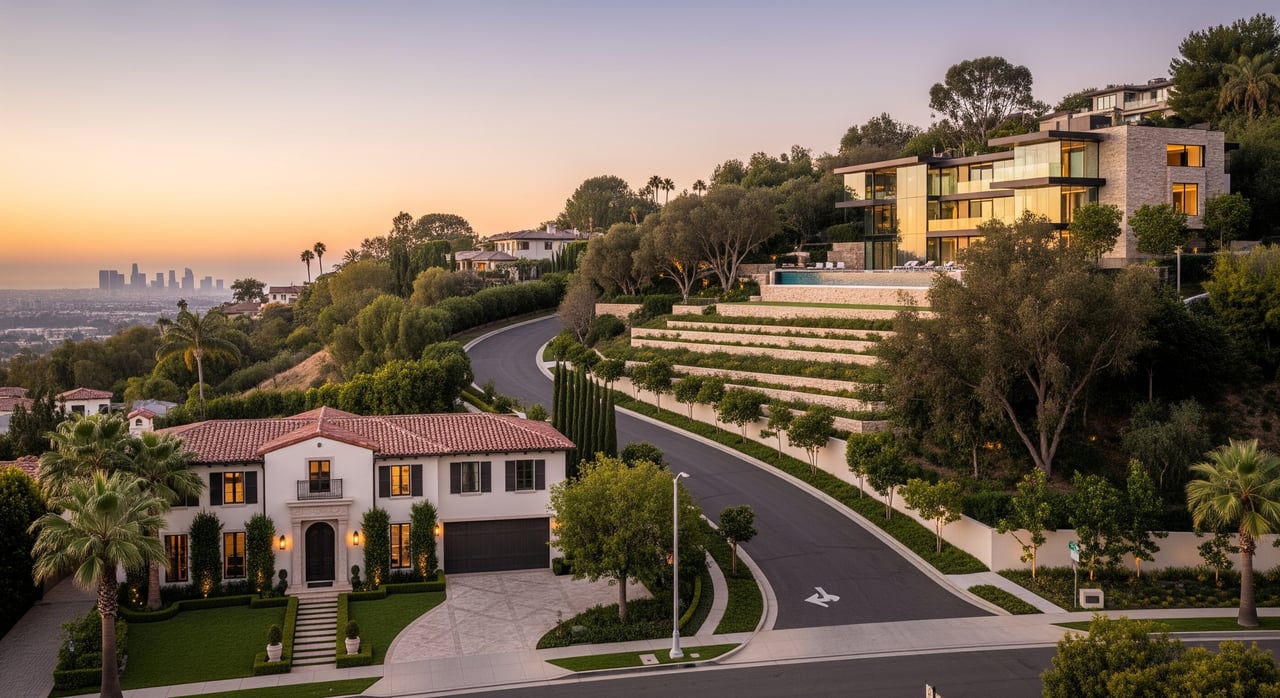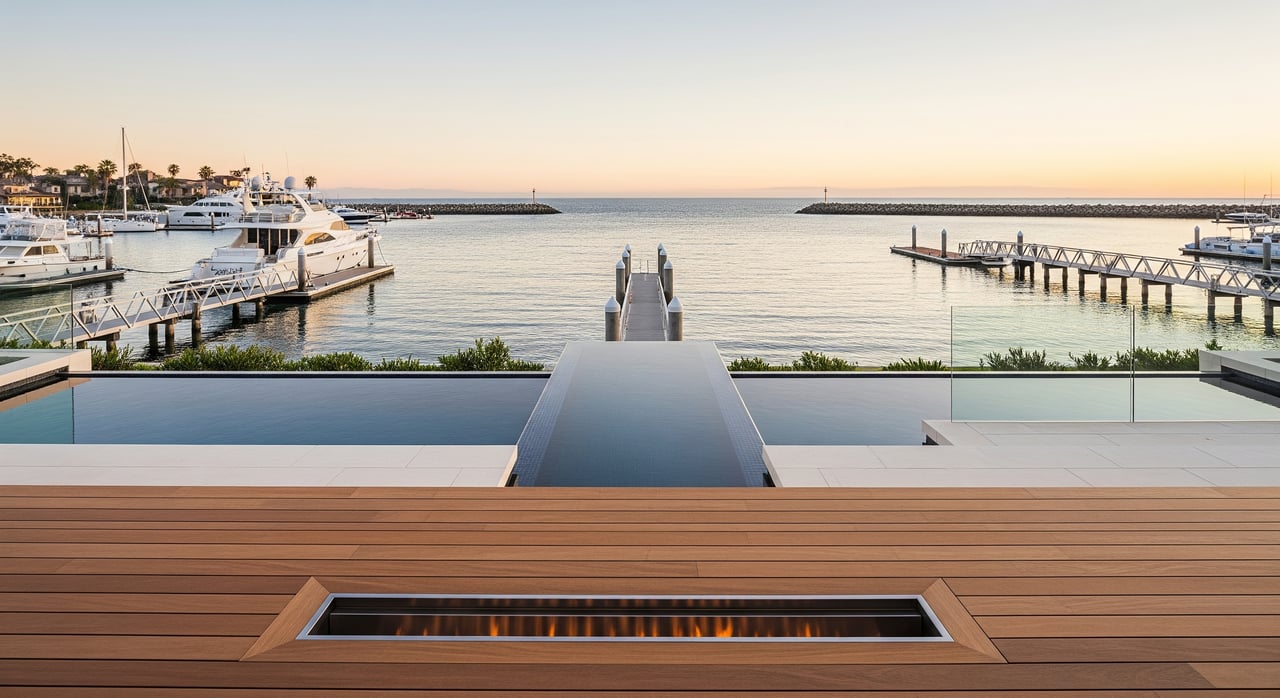
Are you trying to make sense of Newport Beach “waterfront” listings and wondering what really separates bayfront from oceanfront or a slip from a mooring? You are not alone. The right choice shapes your daily routine, privacy, and boating options, and it can influence long-term value and maintenance. This guide breaks down each term clearly and maps how they show up across Balboa, Lido, and the Peninsula so you can match lifestyle to location with confidence. Let’s dive in.
Oceanfront in Newport Beach
Oceanfront means a home sits directly on the Pacific Ocean with an unobstructed ocean view and immediate beach access. Properties are exposed to surf, swell, and wind, and typically front sandy beaches that can shift seasonally. You will see public access points, lifeguard presence, and coastal setback features along much of this shoreline.
Lifestyle is beach-forward. You step out to swim, surf, and watch sunsets. Expect more foot traffic and sound from beachgoers and nearby amenities, especially near piers and commercial nodes. Privacy along the waterline is lower because beaches are public.
Value often reflects panoramic views, direct sand access, and prestige. Costs and risk can be higher due to storm surge exposure, coastal erosion, and stricter permitting for improvements. Insurance and maintenance for coastal structures, like seawalls, may be significant.
Bayfront and Harborfront explained
Bayfront or harborfront means the property fronts Newport Bay/Newport Harbor, not the open ocean. Water is calmer with limited wave height and protection from ocean swell. You will often find private docks, seawalls, and nearby marinas.
Lifestyle centers on boating and relaxed water activities like paddleboarding and casual fishing. Transit to the open ocean happens via the harbor entrance and jetties. Waterfront privacy is generally higher than on public beaches, though harbor-facing homes remain visible to passing boats.
Value is driven by usable dock space, deep-water access, and proximity to marina services. In some cases, high-quality bayfront estates with deep-water dockage can match or exceed oceanfront values. Ownership may include responsibilities for seawalls and docks, and you should consider potential boat noise and local water quality.
Canal-front living
Canal-front homes line engineered residential channels within Newport Harbor. Canals are narrower, with lower boat speeds and limited turning radius. Docks tend to be smaller and very close to the property.
Lifestyle is intimate and calm. It is ideal for smaller boats and personal watercraft with easy backyard boarding. Privacy from the public is higher, though proximity to neighbors across a narrow canal is a factor.
Value benefits from private dock convenience and a quieter neighborhood feel. Constraints include boat size limits, depth at low tide, and association rules that can limit dock use and vessel type.
Slips, moorings, and private docks
- Slip: An assigned berth in a marina or dock facility. Slips commonly offer shore power, water, and services, and they can handle larger vessels than many canal-front docks. Terms vary by marina and can be fee-simple, leasehold, or membership-based.
- Mooring: A leased buoy in a designated mooring field where you tie up your boat and access it by dinghy or water taxi. Moorings are often less costly than slips but less convenient for boarding and provisioning. Availability and transfer rules vary.
- Private dock vs community dock: A private dock is attached to a single parcel and maintained by the owner. A community dock is shared and governed by an HOA or marina with rules and fees.
Where each option lives: Balboa, Lido, Peninsula
Balboa Island
Balboa Island, including Little Balboa, is primarily bayfront and canal-front. Many lots have private docks sized for smaller recreational boats. Depth and width within canals can be limiting, so confirm low-tide depths and maneuvering room.
The lifestyle is walkable and intimate, with easy harbor access but no direct open-ocean frontage. Waterfront lots on the bay side often command premiums for dock access and outlook.
Lido Isle and Lido Peninsula
Lido Isle offers a mix of protected harbor parcels, luxury estates, and abundant marina access near Lido Marina Village. Deeper water around Lido can accommodate larger vessels compared with narrow canals.
The feel is upscale and community-oriented. Many homes have private docks, and proximity to marina services supports serious boating. Large lots with deep-water dockage rank among the harbor’s most sought-after offerings.
Balboa Peninsula and Newport Pier area
Along the ocean side of the Peninsula, you find classic oceanfront and beachfront homes with direct beach and surf access. On the bay side, you find bayfront homes with docks and access to harbor basins.
The culture is beach-and-boardwalk with restaurants and nightlife, plus high public access to beaches. Oceanfront commands a premium for Pacific views and sand-front living, while bayfront on the Peninsula trades some privacy for dockage and harbor activity.
Technical factors that change use and price
Orientation and exposure
West-facing oceanfront captures direct sunsets and open-swell exposure, which many buyers prize. East-facing bayfront tends to be calmer and more private with sunrise views. North or south orientation can influence prevailing winds, sun on outdoor areas, and dock usability.
Tides and depth
Tidal range affects depth at docks and in canals. Always request depth at mean low water or mean lower low water and ask for recent surveys or hydrographic measurements. Confirm any shoaling patterns that might reduce safe draft.
Access to the open ocean
From bayfront or canal-front homes, factor in channel width and any fixed bridge heights on your route toward the harbor entrance. Transit time to the ocean matters if you plan frequent offshore trips. Properties closer to the main channel generally reduce travel time.
Permitting, structures, and maintenance
Docks, seawalls, and major waterfront repairs typically require permits. Work can involve the local Harbor Department, City planning, the California Coastal Commission for certain coastal activities, and potentially the U.S. Army Corps of Engineers in navigable waters. Ask for recent engineering reports, repair histories, and clarity on who is responsible for future dredging or seawall work.
Environmental and hazard considerations
Flooding and storm surge can affect oceanfront and low-lying harborfront homes. Review local hazard maps, insurance requirements, and sea-level rise planning. Beachfront parcels may face erosion and periodic sand replenishment. In canals and enclosed basins, consider circulation and water quality.
Buyer due diligence checklist
- Title and rights: Confirm littoral or riparian rights, any easements for dock access, and whether the dock or seawall is private, community-owned, or governed by an HOA.
- Dock, slip, and mooring specifics: Verify assignment or permit terms, transferability, fees, and any waitlists. Document physical dimensions, depth at low tide, utilities, and access conditions.
- Permits and recent work: Collect permits for docks, seawalls, bulkheads, and significant modifications, plus maintenance records and inspections by marine engineers.
- Local harbor rules: Check boat size limits, mooring regulations, speed zones, no-wake areas, and seasonal restrictions with the Harbor Department.
- Insurance and claims: Review flood and wind coverage availability and any prior claims tied to storms or flooding.
- Physical hazards and resilience: Examine coastal change and sea-level rise documents along with FEMA flood maps. Ask about planned protection projects and potential assessments.
- Neighborhood and lifestyle: Assess noise from marinas or events, seasonal pedestrian and parking patterns, and any local rules for boat maintenance.
- Boating logistics: Speak with marina operators about slip terms, fuel and haul-out options, pump-out locations, and shortest routes to the ocean, including low-tide constraints.
- Surveys and measurements: Request a current property survey showing seawalls, docks, parcel lines, easements, and City rights of way.
- HOA and legal documents: Review CC&Rs and any community dock policies that may limit boat type or usage.
How to choose: bayfront vs oceanfront
Start with how you live:
- Choose oceanfront if daily beach access, surf, and sunset views are your top priorities and you accept public activity near your home. Budget for coastal permitting and potential erosion and protection needs.
- Choose bayfront if boating, calm water recreation, and private dockage matter most. Focus on depth at low tide, dock dimensions, and proximity to the channel and marina services.
- Consider canal-front if you want intimate water access with a quieter neighborhood feel and plan to operate smaller boats. Verify turning radius, boat size limits, and association rules.
If you plan to berth a larger yacht, verify slip availability or seek deep-water dockage, particularly around Lido. If you are sensitive to crowds and noise, lean toward protected harbor locations or interior island streets while still securing dock access.
A measured approach is best. Match your intended vessel, desired privacy, and daily routine to the physical realities of each waterfront type, then validate everything through thorough due diligence.
If you are weighing options across Balboa, Lido, and the Peninsula, or you want a discreet perspective on value, reach out for tailored guidance. For private representation and a clear plan, connect with Stephany Chen to request a confidential, white-glove consultation.
FAQs
Are bayfront homes less valuable than oceanfront in Newport Beach?
- Not always. Oceanfront carries a premium for open views and sand access, but bayfront with deep-water docks and high-quality homes, especially around Lido or select Peninsula sites, can match or exceed it.
Can you build or expand a private dock in Newport Harbor?
- Additions and repairs typically require permits and must meet harbor and coastal standards. Engage the City Harbor Department and planning staff early in due diligence.
Are marina slips easier to get than city moorings in Newport Beach?
- Availability varies. Private marina slips can be costly or limited, while municipal moorings may have waitlists and specific transfer rules. Confirm current timelines with local operators and the harbor office.
Should you worry about sea level rise when buying Newport Beach waterfront?
- Yes. Coastal flood risk and long-term sea-level rise affect insurance, permitting, and value planning. Review local planning documents and elevation and flood maps for any property you consider.
How important is low-tide depth for docks and canals in Newport Harbor?
- Critical. Depth at mean low water determines the safe draft for your vessel and whether you can berth reliably. Obtain recent depth data and validate with a marine surveyor.